
When Should You Start Teaching Kids Listening Skills and Taking Turns? A Guide to Early Childhood Development (Ages 0–5)
Featured Posts
When Should You Start Teaching Kids Listening Skills and Taking Turns? A Guide to Early Childhood Development (Ages 0–5)

Have you ever wondered when your child is old enough to start learning important life skills like listening, following directions, taking turns, and interacting with others?
The answer might surprise you: It starts much earlier than you think!
Children don’t suddenly learn how to listen, follow instructions, or cooperate when they enter preschool or kindergarten. These skills develop gradually, beginning in infancy and growing through everyday interactions, play, movement, and experiences with others.
The first five years of life are an incredibly important time for development. During this period, children build the foundations for communication, social interaction, emotional regulation, coordination, and problem-solving.
At Aspire Kids Sports Center, we believe that activities like gymnastics, swimming, and dance offer wonderful opportunities for children to practice these skills while having fun. Let’s look at what children are learning at each age and how parents can help encourage their development.
Ages 0–12 Months: Building the Foundation
You might think babies are too young to learn listening skills or take turns, but the foundation for both begins during the first year of life!
At this age, babies learn through observation, repetition, sounds, facial expressions, and interactions with the people around them.
Developmental skills to encourage:
Responding to familiar voices and sounds
Making eye contact and engaging with caregivers
Beginning to recognize their name
Taking turns making sounds and babbling
Developing trust and social connections
Exploring movement and developing body awareness
How parents can help:
Talk, sing, read, and play with your baby. When your baby makes a sound, respond and give them an opportunity to respond again. These simple back-and-forth interactions are some of the earliest forms of communication and turn-taking.
Activities that include gentle movement, songs, and interaction with caregivers also help babies explore their surroundings and develop confidence.
Ages 1–2: Exploring, Communicating, and Following Simple Directions
As babies become toddlers, their curiosity and independence really begin to take off! They want to explore everything, do things themselves, and discover how the world works.
This is a great time to begin introducing simple directions and basic turn-taking activities.
Developmental skills to encourage:
Responding to their name
Understanding simple instructions like “come here” or “give me the ball”
Imitating sounds, movements, and actions
Beginning to use words and gestures to communicate
Participating in simple back-and-forth games
Learning to wait briefly with adult support
Developing balance, coordination, and body awareness
How parents can help:
Play simple games like rolling a ball back and forth, stacking blocks together, or taking turns putting toys into a container. Use short, clear instructions and celebrate when your child responds.
Remember, toddlers are still developing impulse control. They may understand that they should wait their turn but not yet have the ability to do it consistently. Patience, repetition, and encouragement are key!
Ages 2–3: Learning to Participate and Cooperate
Between ages two and three, children begin developing more independence, stronger communication skills, and an increased interest in interacting with other children.
This is an especially exciting stage because children are becoming more capable of participating in group activities and following simple routines.
Developmental skills to encourage:
Following one- or two-step directions
Listening to a teacher or caregiver during short activities
Taking turns with reminders and assistance
Beginning to share space and equipment with other children
Using words to communicate wants and needs
Participating in group activities
Developing patience and beginning self-control
Improving jumping, climbing, running, and coordination
How parents can help:
Give your child opportunities to participate in activities with other children. Simple games, music, movement, and structured play are excellent ways to practice listening and cooperation.
Encourage your child to wait for a turn, follow simple directions, and celebrate their accomplishments. Don’t expect perfection! Learning these skills takes practice.
This is also a wonderful age to introduce structured activities like gymnastics, swimming, and dance, where children can learn to follow a teacher’s instructions while developing physical skills.
Ages 3–4: Developing Independence and Social Skills
By ages three and four, children are becoming more comfortable participating in group activities. Their communication skills are growing, their attention spans are developing, and they are beginning to understand that other people have feelings and needs, too.
This is an important time for practicing cooperation and following directions with less assistance.
Developmental skills to encourage:
Following simple multi-step directions
Listening during group instruction
Taking turns during games and activities
Beginning to share and cooperate with peers
Recognizing and expressing emotions
Waiting patiently for short periods
Following classroom or activity routines
Developing stronger balance, coordination, and motor skills
How parents can help:
Play games that require children to listen and respond, such as Simon Says, freeze dance, and simple obstacle courses. Encourage taking turns during family activities and give your child opportunities to make choices and solve small problems.
Group activities are particularly beneficial at this stage because children get to practice listening to someone other than their parents, interacting with peers, and following expectations in a fun, supportive environment.
Ages 4–5: Preparing for Kindergarten and Beyond
As children approach kindergarten, many of the skills they have been practicing since infancy begin coming together.
They are becoming more independent, developing stronger self-control, and learning how to participate in activities that require greater attention and cooperation.
Developmental skills to encourage:
Following multi-step instructions
Listening and responding appropriately
Taking turns during games without constant reminders
Following rules and understanding expectations
Cooperating and problem-solving with other children
Communicating feelings and needs
Staying engaged in activities for longer periods
Developing confidence and independence
How parents can help:
Give your child opportunities to participate in activities that involve listening, teamwork, and problem-solving. Board games, group sports, gymnastics, dance, and swimming lessons can all provide opportunities to practice these important skills.
Encourage independence by allowing your child to try new things, follow routines, and work through small challenges with your guidance.
These experiences help children build confidence and develop skills that will benefit them as they transition into kindergarten and beyond.
Why Structured Activities Make Such a Difference
Children learn through play, but structured activities add another important element: opportunities to listen, respond, and interact with others in a guided environment.
At Aspire Kids Sports Center, our programs provide children with opportunities to practice these skills while learning new physical abilities.
Parent & Baby Classes: Even our youngest participants can begin exploring movement, interaction, and early communication alongside their caregivers.
Swimming: Children practice listening to their instructor, responding to directions, building water safety awareness, and gaining confidence in the water.
Dance: Music, movement, and routines encourage children to listen, follow patterns, remember steps, and express themselves.
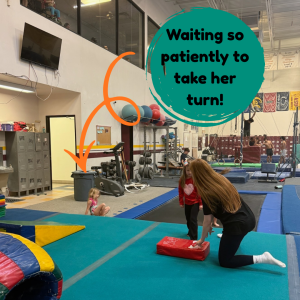
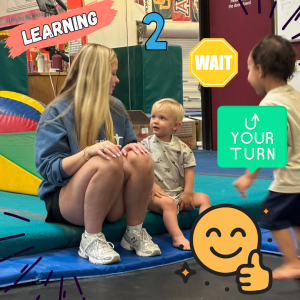
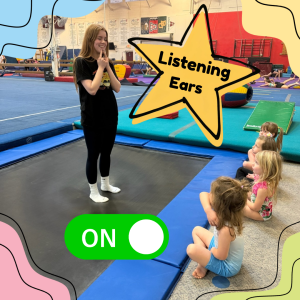
Preschool Gymnastics (TumbleBugs): Children practice following directions, waiting for their turn, participating in group activities, and developing coordination and body awareness.
Every class provides opportunities to learn something new, try something challenging, and celebrate accomplishments along the way.
The Most Important Thing? Start Early and Keep Practicing!
There isn’t a magic age when children suddenly become good listeners or learn how to take turns. These abilities develop over time, and every child progresses at their own pace.
The key is providing opportunities to practice these skills early and often. Whether you’re playing a game at home, reading a book together, attending a gymnastics class, or splashing in the pool, everyday experiences help build the foundation for future success.
At Aspire, we believe we’re MORE than gymnastics. We’re helping build happy, healthy kids by creating opportunities for children to grow physically, socially, and emotionally.
Ready to help your little one learn, grow, and explore?
Explore Aspire’s Preschool Gymnastics, Swimming, and Dance programs and discover how much your child can learn through play!